Poker Hand Rankings Across Different Variants
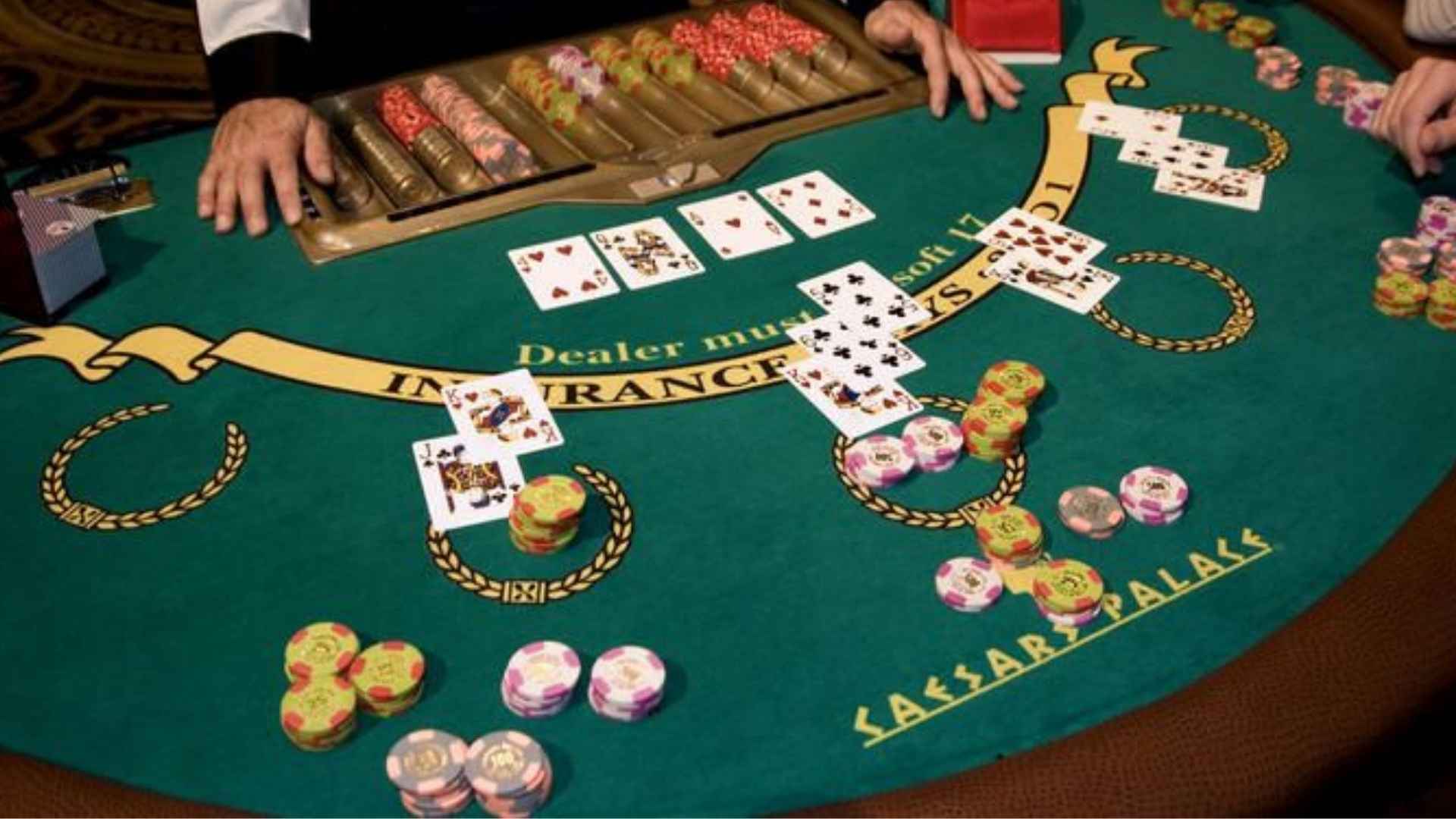
Poker is a dynamic game of skill and strategy that exists in many diverse formats around the globe. While most casual players are familiar with standard hand hierarchies, different variants introduce unique rules that completely alter how hands are valued. Understanding these subtle shifts is essential for anyone looking to transition smoothly between different styles of play.
Standard High Hand Rankings
In mainstream variants like Texas Hold'em and Seven Card Stud, players aim to build the strongest possible five-card combination. This traditional system ranks a royal flush as the ultimate hand, followed closely by straight flushes, four of a kind, and full houses. Memorizing this fundamental hierarchy is the first step toward developing a competitive edge at the tables.
For players operating in regional gaming hubs, keeping up with local platforms is highly beneficial for practicing these standard rules. Engaging with a community through a trusted portal like M88 indonesia allows enthusiasts to test their knowledge in real-time environments. Consistent practice helps players instantly recognize winning combinations during fast-paced betting rounds.
The Inverted Logic of Lowball Games
Lowball variants turn traditional poker hand rankings completely upside down by rewarding the lowest hand instead of the highest. In popular formats like Razz or Deuce-to-Seven Triple Draw, standard premium hands like pairs and straights are actually detrimental to your chances. Players must train their brains to value weak cards, with the absolute best possible hand often being a mismatched low combination.
Depending on the specific lowball variation, aces can either be counted as the lowest card or the highest card, which heavily influences starting hand strategy. For instance, in "California Lowball," a five-high hand represents the absolute nuts, while other formats penalize straights and flushes. Mastering these nuances prevents costly mistakes when transitioning from high-only games.
Split Pot Dynamics in High-Low Variants
Split-pot games, such as Omaha Hi-Lo and Stud Eight-or-Better, offer an entirely different strategic challenge by dividing the pot between two winners. In these games, half of the chips go to the player holding the best high hand, while the other half goes to the holder of the best qualifying low hand. This dual objective forces players to construct hands that can ideally win both halves of the pot, a feat known as scooping.
To qualify for the low half of the pot, a player must usually hold five unpaired cards ranked eight or lower. If no player meets this qualification, the entire pot is awarded to the holder of the best high hand. This dynamic structural rule creates massive pots and demands strict mathematical discipline from start to finish.
Specialized Rankings in Unique Variants
Beyond standard variations, there are exotic poker games that utilize completely customized ranking systems. Badugi is a prime example, where players hold only four cards and try to build a hand with different suits and ranks. In this format, any duplicate suit or paired card is ignored, making a four-card badugi the most coveted hand at the table.
Understanding these diverse card hierarchies is crucial for any player who wants to be truly versatile. Each system demands a unique mental approach, changing how you evaluate risk and calculate your chances of victory. Expanding your knowledge across multiple variants ensures you are always ready for any game format.