Proven Strategies for Online Rummy Tournament Success
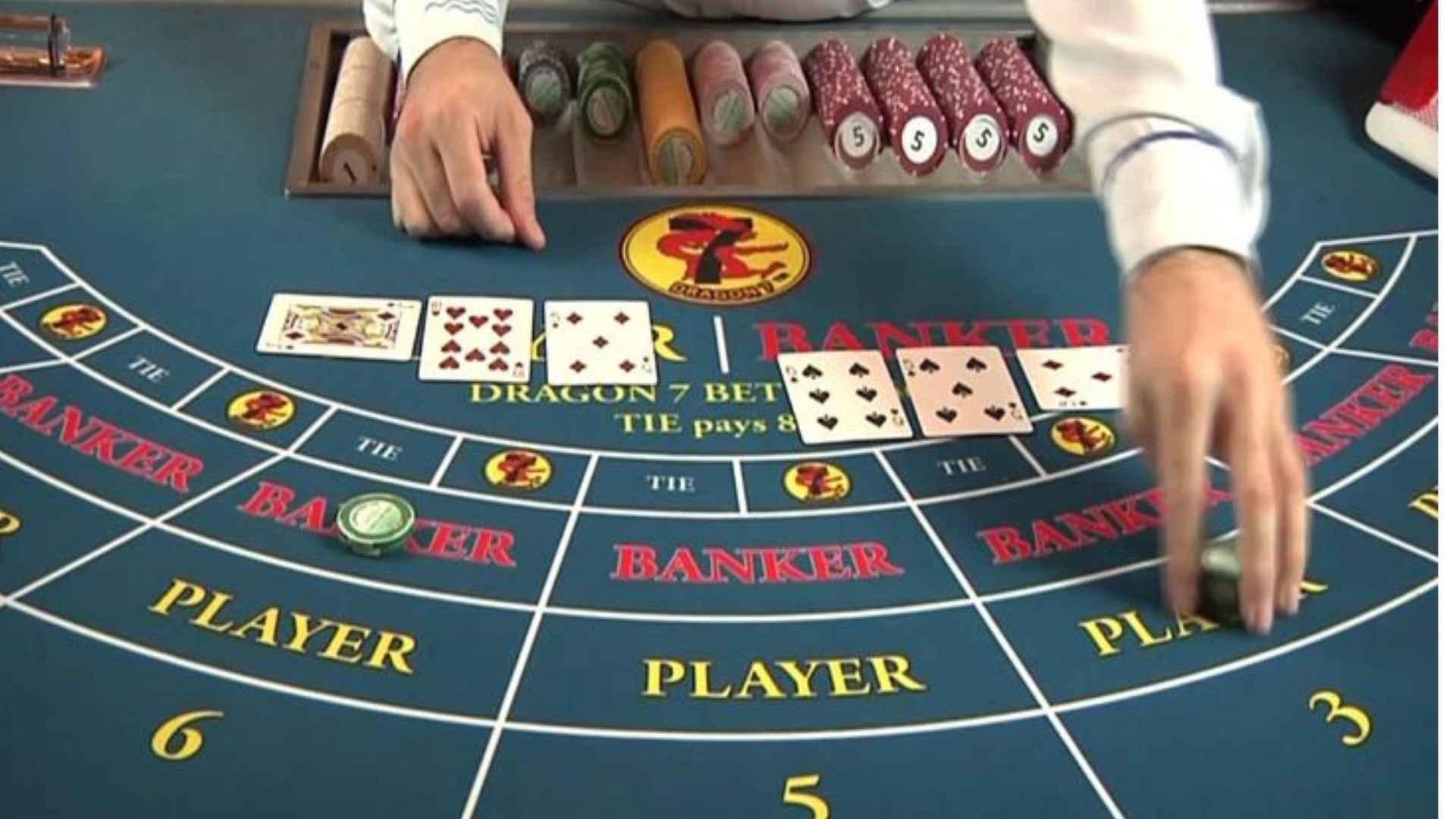
Participating in online rummy tournaments presents a thrilling challenge that goes far beyond casual gaming, demanding a sophisticated blend of card tracking, mental stamina, and tactical patience. As the popularity of digital card rooms continues to soar worldwide, players must refine their approaches to remain competitive across intense, multi-round structures. Developing a structured and disciplined game plan is the most effective way to navigate the unpredictable nature of tournament tables and secure consistent success.
Mastering the Art of Card Analysis and Melds
The initial rounds of an online tournament are crucial for setting a steady pace and assessing the playing styles of your table opponents. Experienced competitors prioritize forming a pure sequence as quickly as possible, which immediately reduces their points burden if another player declares early. Managing your high-value cards is equally vital, as holding onto them for too long increases your vulnerability to massive point deficits.
Observing which cards your opponents discard or collect from the open deck offers critical insights into their strategic goals. This real-time analysis helps you identify the specific card combinations they are actively building, allowing you to withhold cards that might benefit their hand. Utilizing reliable digital platforms like M88 indonesia can provide an excellent training ground to practice these observations against skilled players globally.
In addition, keeping a mental log of the discarded pile ensures you do not waste turns waiting for cards that are already out of play. This level of meticulous card tracking separates average enthusiasts from elite competitors who consistently dominate leaderboard rankings. Keeping your strategies flexible during these early stages will allow you to adapt seamlessly as the table dynamics change.
The Strategic Importance of the Calculated Drop
One of the most underappreciated strategies in tournament play is knowing exactly when to execute a calculated drop or fold. Many novice players make the mistake of trying to play weak or highly disconnected hands, which often leads to devastating point losses that are difficult to recover from. Deciding to drop early carries a minor, predictable point penalty that preserves your overall standing in a multi-round setup.
A successful tournament player treats points as valuable capital that must be carefully preserved over several hours of competitive play. Evaluating your hand objectively immediately after the deal allows you to make rational decisions about whether to contest the round or minimize damage. This defensive mindset ensures that you only risk your tournament life when your cards show a clear path to victory.
Furthermore, dropping a difficult hand early allows you to use the downtime to observe the remaining players at the table. Watching how your opponents play when you are not actively involved provides invaluable intelligence for future hands. This patience-driven approach builds a sustainable foundation for long-term survival in high-stakes environments.
Psychological Discipline and Time Management
Managing the psychological pressure of a ticking tournament clock is just as important as mastering the mathematical probabilities of card combinations. The fast-paced environment of digital tables can easily induce panic, leading to rushed decisions and costly mistakes that could have been avoided. Developing a calm, methodical routine helps you analyze your options steadily even under the tightest time constraints.
Maintaining absolute focus throughout extended gaming sessions requires mental stamina to prevent fatigue from clouding your logical judgment. Taking brief moments to breathe and clear your mind between matches keeps your analytical thinking sharp and rational. Ultimately, the players who remain emotionally steady during intense moments are the ones who consistently reach the final tables.